With his own Medi-Cal at risk, farmworker joins efforts to defend care for immigrants and low-income families across California
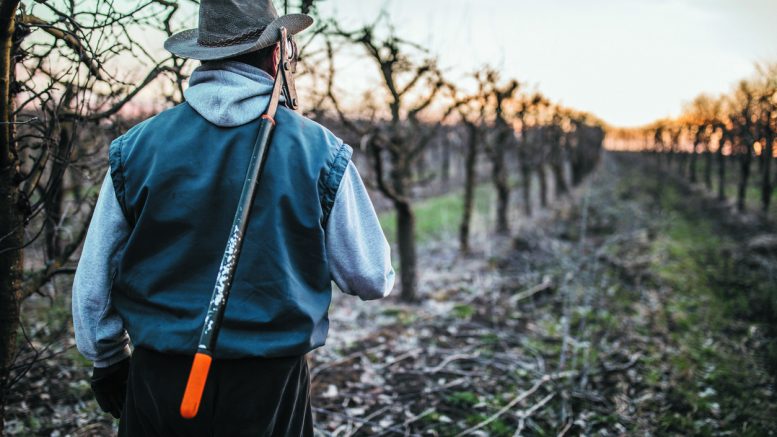
For 17 years, Señor Reyes has picked, planted and pruned crops from grapes to pistachios in and around his home in Delano, the Kern County agricultural hub and birthplace of the United Farm Workers.
Now, due to potential cuts to Medicaid, the 58-year-old Honduras native faces the frightening possibility of losing his Medi-Cal coverage, a benefit he finally secured in November 2024.
Medi-Cal, California’s version of Medicaid, enrolls 15 million low-income residents, more than half of whom are Latino. The state spends about $160 billion annually to cover Medi-Cal beneficiaries, with approximately $100 billion coming from the federal Medicaid program.
“When I can work, I work seven days straight and can earn $500 per week. Now, there’s barely enough money to pay the rent.”
Señor Reyes, Farmworker and Faith in the Valley Volunteer
That funding is threatened under the Trump administration’s current budget plan, which includes $700 billion in Medicaid cuts. Health policy experts estimate the state could lose about $20 billion now used to cover Medi-Cal enrollees, and that 1.2 to 3.5 million Californians could lose coverage due to stringent federal work requirements.
Faith in the Valley (FIV), a faith-based grassroots community organization that supports immigrants and diverse communities, is advocating to preserve benefits for Medi-Cal recipients like Reyes and his wife throughout the Central Valley. The organization trains community members, including Reyes, to be leaders who can share their stories with decision-makers and voters to help change detrimental policies and to protect and support one another.
Reyes has diabetes and, more recently, suffers from severe pain on his left side so crippling it interferes with his ability to work.
“I have not worked for more than a week because I can’t tolerate the pain,” he says.
The impact to his income has been crippling as well: “When I can work, I work seven days straight and can earn $500 per week,” he says. “Now, there’s barely enough money to pay the rent.”
In the past year, FIV has partnered with service organizations to hold resource fairs to help residents like Señor Reyes. At the most recent event, more than 15 social service agencies offered legal, medical, education and other resources and distributed more than 100 boxes and bags of food. FIV volunteers and congregational partners also surveyed more than 130 families concerning food insecurity and medical needs.
Reyes has become an active volunteer for the organization. He and his wife have been involved in the agency’s Know Your Rights forums and Ready Rep disaster preparedness outreach. He has also been part of FIV’s food distribution efforts for families separated this year by harsh immigration policies and for farm workers afraid to go to work.
Silvia Romano, a community organizer with FIV, says that although Reyes cannot help load and unload food supplies collected for families, he does assist with sorting items and driving to make deliveries.
“I admire his sense of responsibility and his consistency,” Romano says. “He is always punctual, very dedicated to serving the community and ready to help with anything we need.”
She says his volunteer contributions are especially appreciated given his health problems and worries about threats to his medical coverage.
“He has been suffering and is worried, which causes mental distress,” she said. “Medi-Cal is essential to his life.”
For more information on Faith in the Valley, visit faithinthevalley.org.