
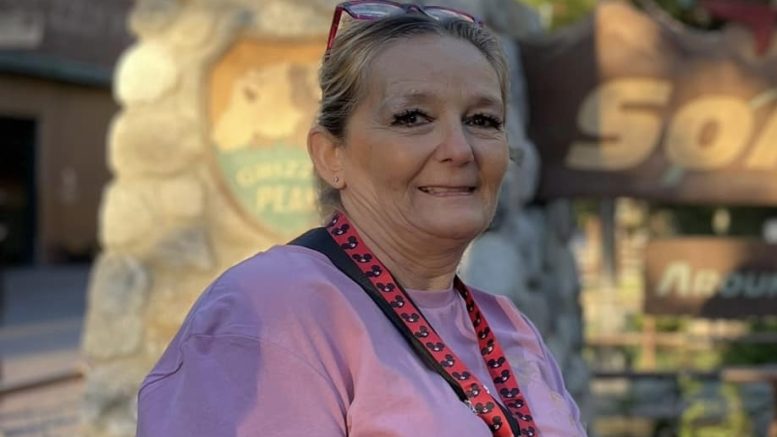
By Vicki Sowles, Mental Health Technician
I’ve worked in psychiatric care for more than two decades as a Mental Health Technician (MHT). I’ve spent thousands of mornings stepping into the rooms of people who are often scared, exhausted, and unsure of what comes next. I feel fortunate that I’ve been able to help them through some of the hardest days of their lives.
People who haven’t worked within a psychiatric hospital often assume we are “support staff.” That couldn’t be further from the truth.
I’ve seen MHTs advocate for patients who couldn’t advocate for themselves. I’ve seen them sit with someone who is confused, grieving, or hallucinating and help them find their way back to stability. I’ve seen them prevent aggression from escalating with nothing more than patience, presence, and skill.
MHTs work hand-in-hand with nurses and doctors to help ensure our patients receive the best care possible. We build trust – learning their history, helping them set goals and learn coping skills. It’s important they feel hope; hope that they don’t always have to feel the way they do when they’re in our care.
Because of that constant presence, we are often the first to recognize when something is wrong. We see the earliest warning signs of agitation. We can tell when someone is withdrawing or quietly falling apart. We know when a patient is about to go from calm to crisis in seconds because we’ve been at their side all day.
And when a patient does escalate, we are the ones who use verbal de‑escalation, body‑language awareness, and trauma‑informed approaches to help keep everyone safe. Nurses do critically important work, but they lack the time to spend hours in continuous engagement with patients.
MHTs do – and this isn’t theoretical. It’s a daily reality.
While we’re supporting high-quality care every day for our patients, California state agencies are considering emergency staffing regulations that would reduce the number of MHTs at psychiatric hospitals and replace them with more nurses. I respect nurses deeply – we significantly rely on each other– but the proposed changes don’t reflect what’s needed on the ground.
If these regulations move forward as written, the consequences will be felt immediately. Less capacity and heightened risks—the core outcomes these regulations are intended to improve—by removing the very people patients trust most.
Patients tell us things they don’t tell their families, their doctors, or even their nurses. They trust us because we are ever present alongside them — during meals, groups, the quiet moments when they finally feel safe enough to share.
That trust is not replaceable.
When patients feel abandoned or unsupported, aggression can rise. Isolation rises. Fear rises. And in psychiatric care, those emotions can turn into potentially dangerous situations very quickly.
Removing MHTs from the floor doesn’t just change staffing ratios. It changes the heart and emotional climate of a unit.
California’s staffing proposal assumes that more nurses automatically result in better care, but psychiatric hospitals don’t function like medical‑surgical units. The work is relational, behavioral, and constant. It requires eyes, ears, and hands on the floor at all times.
The hospital in which I work already has capacity challenges in accepting more patients. And, we aren’t the only hospital forced to do this. Throughout the state, those on the frontlines continue to report an urgent need for more beds, more compassionate care, and more help. Unfortunately, the proposed staffing ratios would push us further in the wrong direction.
If the goal is safety, stability, and high‑quality care, then California should be strengthening the MHT workforce – not sidelining it. Regulations should reflect the reality of psychiatric care, not the assumptions of people who have never worked on the floor.
Mental illness can affect any one of us. If I were ever in the position of my patients, I know exactly who I would want by my side – someone who has the time, the training, and the heart to sit with me, listen to me, and support me through the hardest moments of my life.
That’s what MHTs do.
Vicki Sowles has worked as an MHT in Sacramento since 1999.





Be the first to comment on "Guest Comment: What MHTs actually do – The work no one sees but everyone depends on "